Lower Oil Prices in 2026: Short-Term Pain, Long-Term Signals for Alberta
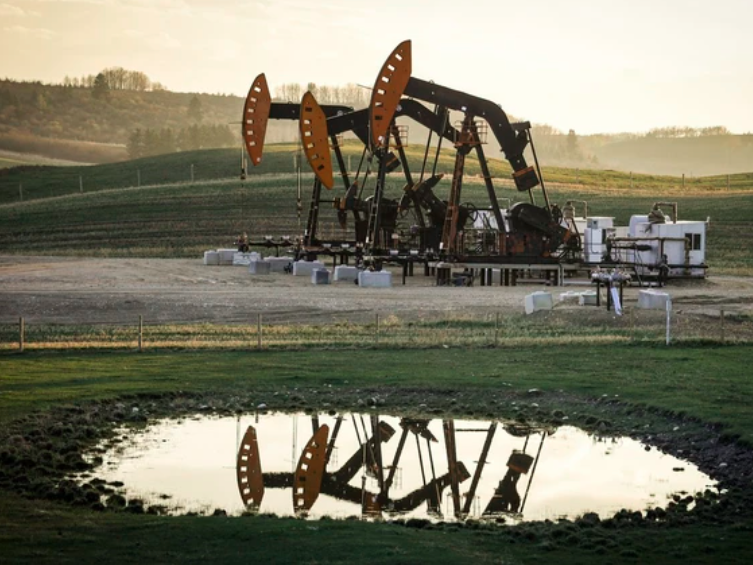
1. A Challenging Outlook for Alberta’s Energy Sector: Alberta’s oil producers are facing a more difficult near-term outlook as forecasts point to lower oil prices in 2026. After several years of relatively strong pricing and improved balance sheets, the industry is now preparing for tighter margins and reduced cash flow. Lower prices are expected to weigh on government revenues, corporate earnings, and investment sentiment across the province.
For producers, this environment reinforces a shift already underway: caution over expansion. Rather than pursuing aggressive growth, many companies are focusing on maintaining existing operations, controlling costs, and protecting profitability. This approach reflects lessons learned from previous boom-and-bust cycles, where rapid expansion during high-price periods left companies exposed when markets turned.
2. Why Prices Are Expected to Ease: Several structural factors are contributing to expectations of lower oil prices. Global supply growth remains strong, particularly from non-OPEC producers, while demand growth is slowing amid economic uncertainty and efficiency gains. At the same time, geopolitical risks that once supported higher prices have eased, reducing the “risk premium” embedded in oil markets.
Another important factor is the broader energy transition. While oil demand is not disappearing, its growth trajectory is becoming flatter and more uncertain. Increased electrification, improvements in efficiency, and the expansion of renewable energy are gradually reducing the pace at which global oil consumption grows. This does not eliminate the need for oil, but it does make sustained high prices harder to justify. For Alberta, these dynamics mean that price volatility is likely to remain a defining feature of the market. Short-term dips may occur even as long-term demand persists, forcing producers and policymakers alike to plan for a more unpredictable future.
3. What This Means for Investment, Efficiency, and Energy Strategy: Lower oil prices tend to reshape behavior across the energy system. For producers, they encourage efficiency-driven decision-making: optimizing operations, reducing emissions intensity, and extracting more value from existing assets rather than developing new ones. Capital discipline becomes not just a financial choice, but a strategic necessity. From a broader energy perspective, softer oil prices can also influence investment patterns. When returns from upstream projects decline, attention often shifts toward technologies that improve system efficiency, reduce costs, or provide flexibility. Energy storage, demand-side management, and smarter consumption patterns gain relevance as markets seek stability rather than growth. For governments, lower prices highlight the importance of diversification. Reliance on volatile commodity revenues exposes public finances to sudden shocks. A more balanced energy and economic strategy — one that includes efficiency, innovation, and clean-energy technologies alongside traditional resources — can help buffer these cycles. Ultimately, the expectation of lower prices in 2026 is not just a warning sign; it is a signal. It underscores that the era of easy profits driven purely by high commodity prices is fading. The next phase will reward resilience, adaptability, and smarter use of energy rather than sheer production volume.
Alberta’s oil industry is entering a period of adjustment as lower prices loom on the horizon. While the short-term impact may be challenging, the situation also reinforces longer-term trends already shaping the sector: financial discipline, operational efficiency, and strategic caution. In a world where energy markets are increasingly complex and interconnected, success will depend less on chasing price cycles and more on building resilient systems. For Alberta — and for the broader energy ecosystem — the message is clear: the future belongs to those who can adapt, optimize, and plan beyond the next price swing.
For producers, this environment reinforces a shift already underway: caution over expansion. Rather than pursuing aggressive growth, many companies are focusing on maintaining existing operations, controlling costs, and protecting profitability. This approach reflects lessons learned from previous boom-and-bust cycles, where rapid expansion during high-price periods left companies exposed when markets turned.
2. Why Prices Are Expected to Ease: Several structural factors are contributing to expectations of lower oil prices. Global supply growth remains strong, particularly from non-OPEC producers, while demand growth is slowing amid economic uncertainty and efficiency gains. At the same time, geopolitical risks that once supported higher prices have eased, reducing the “risk premium” embedded in oil markets.
Another important factor is the broader energy transition. While oil demand is not disappearing, its growth trajectory is becoming flatter and more uncertain. Increased electrification, improvements in efficiency, and the expansion of renewable energy are gradually reducing the pace at which global oil consumption grows. This does not eliminate the need for oil, but it does make sustained high prices harder to justify. For Alberta, these dynamics mean that price volatility is likely to remain a defining feature of the market. Short-term dips may occur even as long-term demand persists, forcing producers and policymakers alike to plan for a more unpredictable future.
3. What This Means for Investment, Efficiency, and Energy Strategy: Lower oil prices tend to reshape behavior across the energy system. For producers, they encourage efficiency-driven decision-making: optimizing operations, reducing emissions intensity, and extracting more value from existing assets rather than developing new ones. Capital discipline becomes not just a financial choice, but a strategic necessity. From a broader energy perspective, softer oil prices can also influence investment patterns. When returns from upstream projects decline, attention often shifts toward technologies that improve system efficiency, reduce costs, or provide flexibility. Energy storage, demand-side management, and smarter consumption patterns gain relevance as markets seek stability rather than growth. For governments, lower prices highlight the importance of diversification. Reliance on volatile commodity revenues exposes public finances to sudden shocks. A more balanced energy and economic strategy — one that includes efficiency, innovation, and clean-energy technologies alongside traditional resources — can help buffer these cycles. Ultimately, the expectation of lower prices in 2026 is not just a warning sign; it is a signal. It underscores that the era of easy profits driven purely by high commodity prices is fading. The next phase will reward resilience, adaptability, and smarter use of energy rather than sheer production volume.
Alberta’s oil industry is entering a period of adjustment as lower prices loom on the horizon. While the short-term impact may be challenging, the situation also reinforces longer-term trends already shaping the sector: financial discipline, operational efficiency, and strategic caution. In a world where energy markets are increasingly complex and interconnected, success will depend less on chasing price cycles and more on building resilient systems. For Alberta — and for the broader energy ecosystem — the message is clear: the future belongs to those who can adapt, optimize, and plan beyond the next price swing.

.jpeg)