How Wind and Batteries Are Driving Electricity Prices Down — Even as Gas Stays High
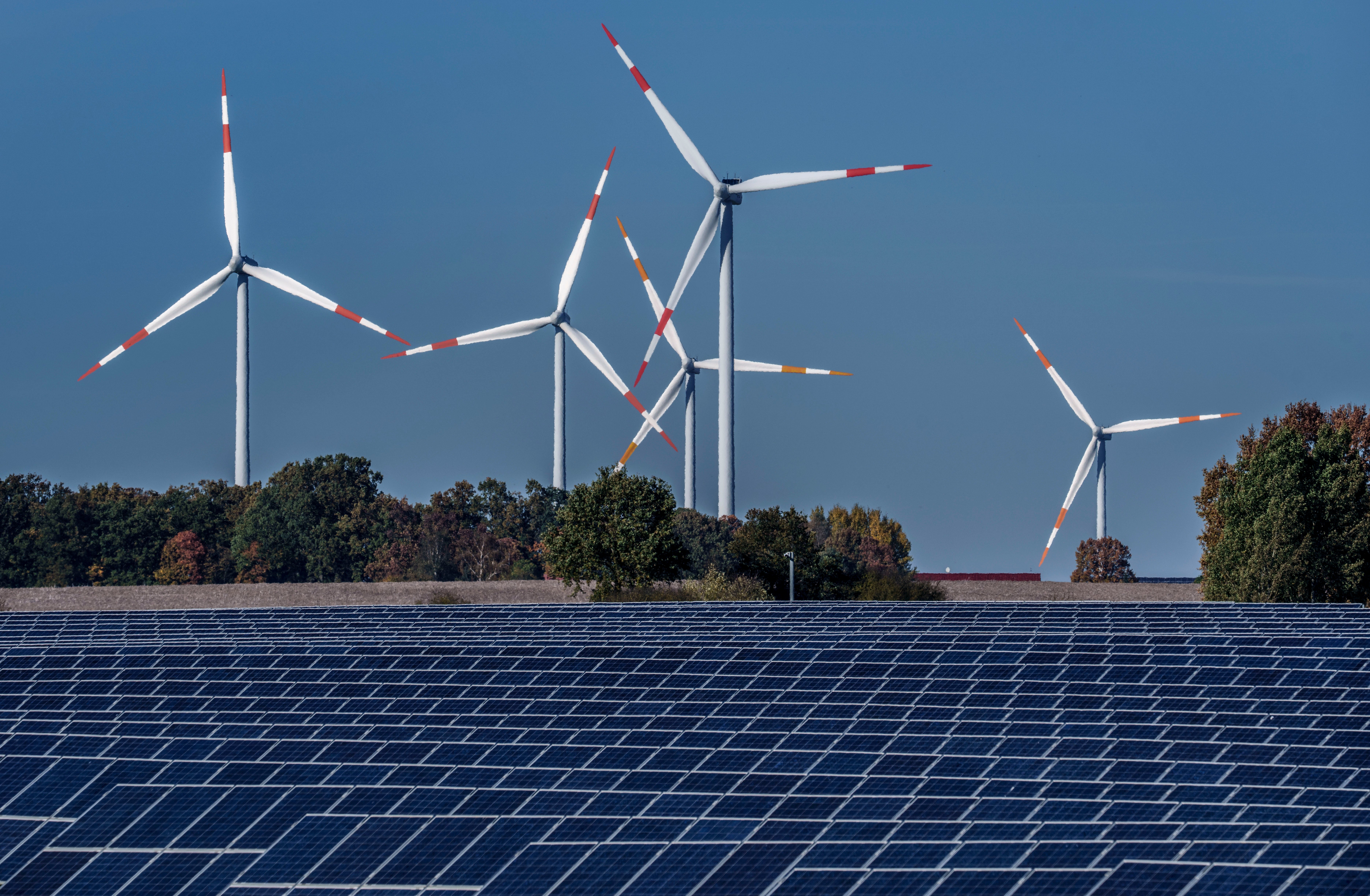
Recent market data shows a clear shift: electricity prices are falling even though gas prices remain elevated. The key driver behind this trend is the rapid expansion of wind generation combined with large-scale battery storage. As more renewable capacity enters the grid, reliance on gas-fired plants during peak hours decreases, reducing price spikes and smoothing overall electricity costs. This shift is helping consumers and businesses enjoy more stable and often lower energy bills.
1. Why Wind + Storage Outperform Gas in Price Stability: Gas historically dictated electricity prices — when gas went up, power prices followed. But that relationship is weakening. Wind power delivers low-cost, fuel-free electricity, while batteries store excess renewable energy and release it when demand rises. Together, they replace the need for expensive peak-time gas generation. As renewables and storage grow, the grid becomes less exposed to fossil-fuel volatility, resulting in fewer price surges and greater predictability for consumers. This trend signals an important rebalancing of the energy system toward cleaner, more stable power sources.
2. What This Means for Energy Technology, Heating, and Storage Solutions: For clean-tech companies and energy-efficiency technologies, this environment opens major opportunity. Smart-heating systems, thermal-storage devices, and demand-response platforms become even more valuable when cheap renewable power is abundant. These technologies store energy during low-cost periods and use it during peak hours, maximizing savings and grid stability. As renewables continue to displace gas, the market increasingly rewards solutions that provide flexibility, load-shifting, and intelligent energy management. The trend is clear: the future belongs to energy systems that are clean, stable, and strategically flexible.
The decline in electricity prices — despite high gas costs — is not a coincidence. It’s the result of structural changes driven by wind power and battery storage. These technologies are reshaping energy markets, offering consumers lower and more predictable bills, and accelerating the shift toward a resilient, renewable-powered grid. The momentum is here, and it signals a powerful long-term transition: cleaner energy isn’t just environmentally beneficial; it’s economically advantageous too.
1. Why Wind + Storage Outperform Gas in Price Stability: Gas historically dictated electricity prices — when gas went up, power prices followed. But that relationship is weakening. Wind power delivers low-cost, fuel-free electricity, while batteries store excess renewable energy and release it when demand rises. Together, they replace the need for expensive peak-time gas generation. As renewables and storage grow, the grid becomes less exposed to fossil-fuel volatility, resulting in fewer price surges and greater predictability for consumers. This trend signals an important rebalancing of the energy system toward cleaner, more stable power sources.
2. What This Means for Energy Technology, Heating, and Storage Solutions: For clean-tech companies and energy-efficiency technologies, this environment opens major opportunity. Smart-heating systems, thermal-storage devices, and demand-response platforms become even more valuable when cheap renewable power is abundant. These technologies store energy during low-cost periods and use it during peak hours, maximizing savings and grid stability. As renewables continue to displace gas, the market increasingly rewards solutions that provide flexibility, load-shifting, and intelligent energy management. The trend is clear: the future belongs to energy systems that are clean, stable, and strategically flexible.
The decline in electricity prices — despite high gas costs — is not a coincidence. It’s the result of structural changes driven by wind power and battery storage. These technologies are reshaping energy markets, offering consumers lower and more predictable bills, and accelerating the shift toward a resilient, renewable-powered grid. The momentum is here, and it signals a powerful long-term transition: cleaner energy isn’t just environmentally beneficial; it’s economically advantageous too.

.jpeg)