Canada’s New Steel Tariff: A Threat to Clean Energy Momentum
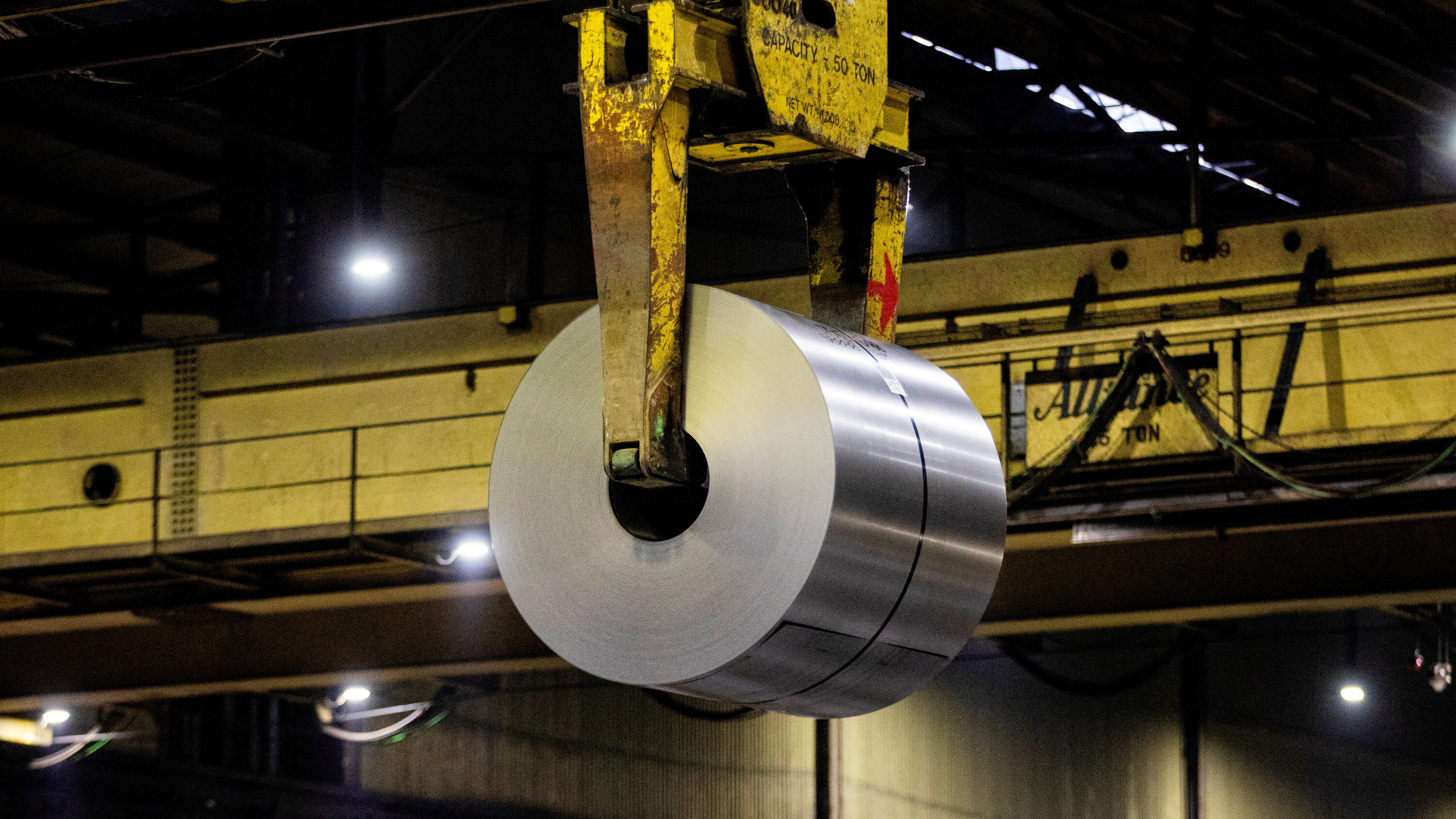
On November 27, 2025, the Canadian renewable-energy sector received a stark warning when the government imposed a 25% tariff on imported steel products — a decision that hits at the heart of wind energy infrastructure by raising costs for critical components like wind-turbine towers. The move, intended to support domestic steel producers, could derail ongoing and planned renewable energy projects across Canada. Advocates argue that the tariff doesn’t just drive up the cost of building turbines — it will ultimately lead to higher electricity bills for everyday Canadians.
Supply Chain Pressure on Wind Power Projects
Canada currently has only one domestic manufacturer capable of producing turbine towers — insufficient to meet the demand required by the nation’s expanding wind sector. Even before the tariff, a 2023 review by a national trade tribunal noted a significant shortfall in domestic production capacity, making it virtually impossible to meet national demand with local steel alone — especially for transporting large turbine parts across long distances to western provinces.
Most of Canada’s wind-energy projects rely on imported towers and specialized steel components from overseas suppliers. Many of these projects have already locked in contracts, with cost estimates crafted under pre-tariff assumptions. The sudden introduction of a hefty tariff means that prices for towers could rise by tens of millions of dollars per project — forcing developers to reconsider or pause their plans.
The consequences are dire: delays, large cost overruns, or even cancellations. For a country committed to expanding renewable energy, such instability threatens to undermine years of planning and investment.
Who Pays — and Who Loses
Consumers: As project costs rise, these expenses are likely passed down to utility bills, making electricity more expensive for households.
Clean-energy developers and companies: Wind-farm operators face shrinking margins, financial uncertainty, and increasing difficulty in securing financing — which could dampen future investment into the sector.
Indigenous and rural communities: Many wind projects are developed in collaboration with Indigenous or rural stakeholders; rising costs could erode their share of benefits or jeopardize their participation altogether.
A Strategic Backfire: Supporting Steel at the Expense of Clean Energy
The government’s goal — to protect and revitalize Canada’s steel industry — might seem reasonable on paper. But by overlooking the realities of the supply chain and the domestic industry’s limited capacity, the policy risks producing far greater long-term harm than short-term benefit. On one hand, supporting local steel production could bring economic and environmental advantages if done sustainably. On the other, the tariff’s blunt application without exemptions penalizes sectors that depend heavily on imported steel, notably renewable energy.
This mismatch suggests a lack of strategic foresight: rather than bolstering national industry, the decision may end up undermining Canada’s clean-energy transition and its climate-action goals.
A Costly Setback for Sustainable Energy
By raising the cost of wind-turbine towers and other critical components, the tariff may substantially slow — or even reverse — Canada’s progress toward a greener electricity grid. Higher electricity prices, stalled projects, and discouraged investors together could set back carbon-reduction efforts for years. A rational mitigation would be to allow a “remission process” — where projects already under contract, or under construction, can be exempted from the tariff. This approach would protect existing clean-energy investments and preserve the stability of electricity costs while still supporting domestic steel production.
Supply Chain Pressure on Wind Power Projects
Canada currently has only one domestic manufacturer capable of producing turbine towers — insufficient to meet the demand required by the nation’s expanding wind sector. Even before the tariff, a 2023 review by a national trade tribunal noted a significant shortfall in domestic production capacity, making it virtually impossible to meet national demand with local steel alone — especially for transporting large turbine parts across long distances to western provinces.
Most of Canada’s wind-energy projects rely on imported towers and specialized steel components from overseas suppliers. Many of these projects have already locked in contracts, with cost estimates crafted under pre-tariff assumptions. The sudden introduction of a hefty tariff means that prices for towers could rise by tens of millions of dollars per project — forcing developers to reconsider or pause their plans.
The consequences are dire: delays, large cost overruns, or even cancellations. For a country committed to expanding renewable energy, such instability threatens to undermine years of planning and investment.
Who Pays — and Who Loses
Consumers: As project costs rise, these expenses are likely passed down to utility bills, making electricity more expensive for households.
Clean-energy developers and companies: Wind-farm operators face shrinking margins, financial uncertainty, and increasing difficulty in securing financing — which could dampen future investment into the sector.
Indigenous and rural communities: Many wind projects are developed in collaboration with Indigenous or rural stakeholders; rising costs could erode their share of benefits or jeopardize their participation altogether.
A Strategic Backfire: Supporting Steel at the Expense of Clean Energy
The government’s goal — to protect and revitalize Canada’s steel industry — might seem reasonable on paper. But by overlooking the realities of the supply chain and the domestic industry’s limited capacity, the policy risks producing far greater long-term harm than short-term benefit. On one hand, supporting local steel production could bring economic and environmental advantages if done sustainably. On the other, the tariff’s blunt application without exemptions penalizes sectors that depend heavily on imported steel, notably renewable energy.
This mismatch suggests a lack of strategic foresight: rather than bolstering national industry, the decision may end up undermining Canada’s clean-energy transition and its climate-action goals.
A Costly Setback for Sustainable Energy
By raising the cost of wind-turbine towers and other critical components, the tariff may substantially slow — or even reverse — Canada’s progress toward a greener electricity grid. Higher electricity prices, stalled projects, and discouraged investors together could set back carbon-reduction efforts for years. A rational mitigation would be to allow a “remission process” — where projects already under contract, or under construction, can be exempted from the tariff. This approach would protect existing clean-energy investments and preserve the stability of electricity costs while still supporting domestic steel production.

.jpeg)