
A Landmark Canadian Carbon Removal Deal Signals New Era for Sustainability
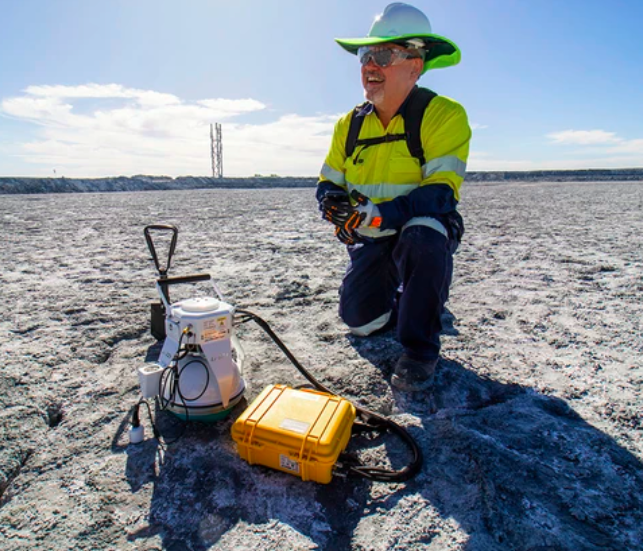
Microsoft has entered into a major agreement with a Canadian carbon-removal startup, committing to purchase permanently sequestered carbon-dioxide credits backed by an innovative financing structure. Under this deal, the startup will scale its removal operations in Canada, turning native carbon-removal technologies into bankable assets and reinforcing Canada’s role as a climate-tech hub. The settlement underlines that high-integrity carbon removal, not simply offsets, is becoming central to corporate climate strategies. In effect, this deal isn’t just about buying carbon credits—it reflects a growing trend where durable, scientifically backed removal pathways are being financed, scaled, and integrated into corporate decarbonization plans. The Canadian connection gives additional weight: local geology, supply chains, and innovation ecosystems are being leveraged to support global climate goals.
Why This Deal Matters: Shifting from Promises to Permanence
Historically, many companies focused on reducing emissions or buying offsets based on tree-planting and nature-based solutions. While those continue to be important, this Microsoft-Canada deal doubles down on durability—carbon removal that lasts centuries rather than decades. By partnering with a Canadian startup capable of delivering verified, long-term storage, Microsoft is signalling that removal must be measurable, credible and scalable. From a finance perspective, the structure is equally noteworthy. The Canadian startup secured upfront debt financing, using the long-term purchase agreement with Microsoft as collateral. This flips the model: instead of speculative hope, we’re seeing removal projects treated like infrastructure investments. For the wider climate-tech ecosystem, especially in Canada, this signals a maturation of the carbon-removal market—moving from exploratory to commercial. For startups like Greenzist (focused on building-energy retrofits and sustainability platforms), the implications are clear. While Greenzist isn’t directly in carbon removal, the trend toward measured, large-scale climate solutions sets a higher bar and creates opportunity. Efficient buildings are a core demand driver in decarbonization, and as major corporations commit to removal, the downstream benefits flow: increased investment, heightened policy focus, and growing market attention to the efficiency side of the equation.
What Startups Should Draw From This Transition
The deal shines a light on several strategic lessons for sustainability startups:
1. Design for verification and longevity: Corporations like Microsoft are looking for climate solutions that are durable and transparent. Startups must embed measurement, reporting and verification (MRV) in their models from day one.
2.Leverage local advantages: In this Canadian example, local geology and climate-tech infrastructure are leveraged. Startups should evaluate how regional strengths (e.g., building stock, policy frameworks, supply chains) can be built into their value-proposition.
3. Align business models with finance mechanisms: The financing mechanism used here treats removal as an investable asset — that means scalability and predictable revenue streams matter. For Greenzist, this means demonstrating measurable energy-savings outcomes, repeatable models, and clear value for stakeholders (homes, communities, funders).
4. Think system-wide: As large players commit to removal, one side of decarbonization gets pushed further—namely energy-use, retrofits and demand-side action. Greenzist’s focus on building-efficiency places it squarely in this expanding landscape, rather than being a niche.
5.Use the momentum for alignment and growth: Deals like this garner press, policy attention and investor interest. Startups should use this as a marketing and partnership catalyst: show how your work plugs into the bigger decarbonization story, rather than standing alone.
This Canadian-backed carbon removal deal with Microsoft is more than just a headline—it’s a signal that climate-tech is entering a new phase: from promise to performance. For Greenzist, the rising tide is timely. Although Greenzist’s core remains in buildings and retrofit rather than direct removal, the growing focus on measurable, scalable climate solutions means that building-efficiency platforms have an expanded role. The pathway is clearer: demonstrate impact, align with corporate decarbonization, and scale sustainably. In doing so, Greenzist can position itself not only as part of the solution—but as an essential connector between corporate climate goals and community-level action.
Why This Deal Matters: Shifting from Promises to Permanence
Historically, many companies focused on reducing emissions or buying offsets based on tree-planting and nature-based solutions. While those continue to be important, this Microsoft-Canada deal doubles down on durability—carbon removal that lasts centuries rather than decades. By partnering with a Canadian startup capable of delivering verified, long-term storage, Microsoft is signalling that removal must be measurable, credible and scalable. From a finance perspective, the structure is equally noteworthy. The Canadian startup secured upfront debt financing, using the long-term purchase agreement with Microsoft as collateral. This flips the model: instead of speculative hope, we’re seeing removal projects treated like infrastructure investments. For the wider climate-tech ecosystem, especially in Canada, this signals a maturation of the carbon-removal market—moving from exploratory to commercial. For startups like Greenzist (focused on building-energy retrofits and sustainability platforms), the implications are clear. While Greenzist isn’t directly in carbon removal, the trend toward measured, large-scale climate solutions sets a higher bar and creates opportunity. Efficient buildings are a core demand driver in decarbonization, and as major corporations commit to removal, the downstream benefits flow: increased investment, heightened policy focus, and growing market attention to the efficiency side of the equation.
What Startups Should Draw From This Transition
The deal shines a light on several strategic lessons for sustainability startups:
1. Design for verification and longevity: Corporations like Microsoft are looking for climate solutions that are durable and transparent. Startups must embed measurement, reporting and verification (MRV) in their models from day one.
2.Leverage local advantages: In this Canadian example, local geology and climate-tech infrastructure are leveraged. Startups should evaluate how regional strengths (e.g., building stock, policy frameworks, supply chains) can be built into their value-proposition.
3. Align business models with finance mechanisms: The financing mechanism used here treats removal as an investable asset — that means scalability and predictable revenue streams matter. For Greenzist, this means demonstrating measurable energy-savings outcomes, repeatable models, and clear value for stakeholders (homes, communities, funders).
4. Think system-wide: As large players commit to removal, one side of decarbonization gets pushed further—namely energy-use, retrofits and demand-side action. Greenzist’s focus on building-efficiency places it squarely in this expanding landscape, rather than being a niche.
5.Use the momentum for alignment and growth: Deals like this garner press, policy attention and investor interest. Startups should use this as a marketing and partnership catalyst: show how your work plugs into the bigger decarbonization story, rather than standing alone.
This Canadian-backed carbon removal deal with Microsoft is more than just a headline—it’s a signal that climate-tech is entering a new phase: from promise to performance. For Greenzist, the rising tide is timely. Although Greenzist’s core remains in buildings and retrofit rather than direct removal, the growing focus on measurable, scalable climate solutions means that building-efficiency platforms have an expanded role. The pathway is clearer: demonstrate impact, align with corporate decarbonization, and scale sustainably. In doing so, Greenzist can position itself not only as part of the solution—but as an essential connector between corporate climate goals and community-level action.

.jpeg)