
Solar, Wind and Batteries Lead the Charge
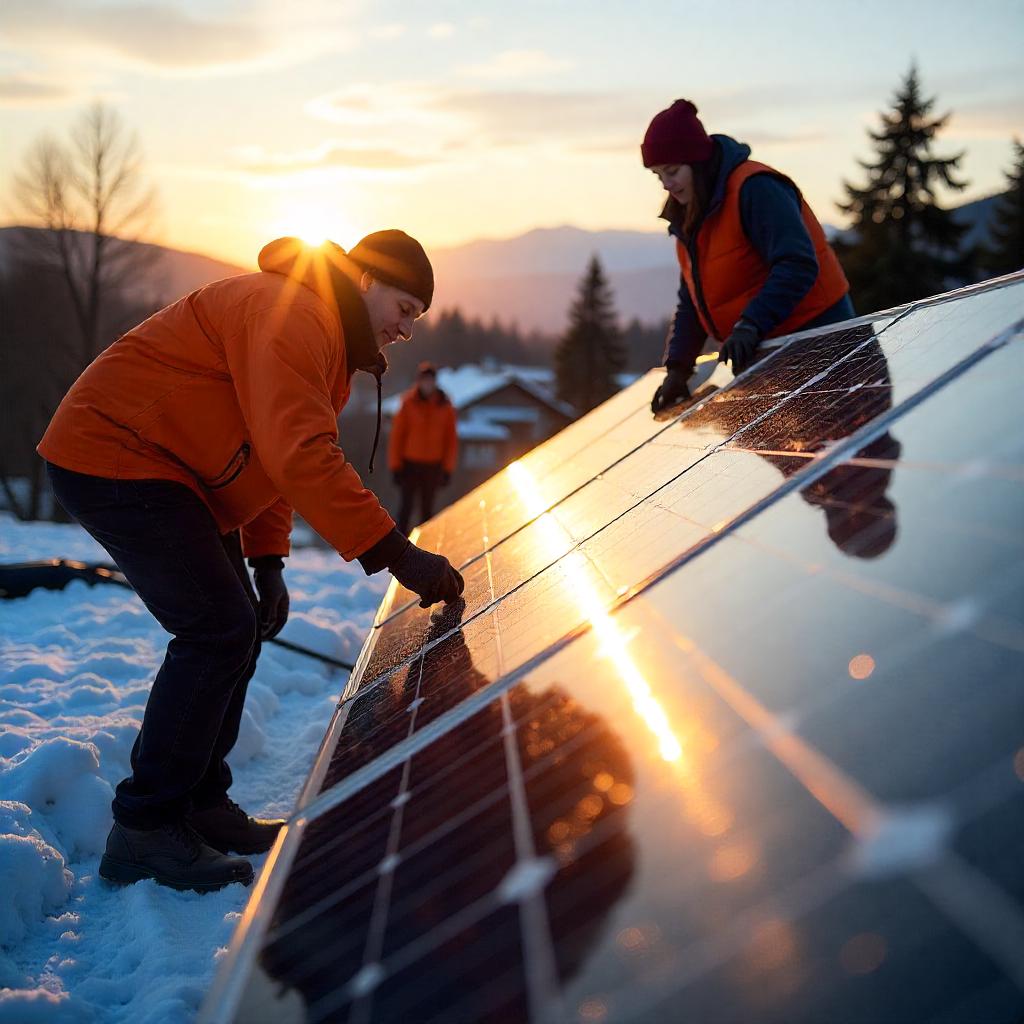
Statkraft, Europe’s largest renewable energy company, has stated that falling costs and rapid deployment of solar, wind, and battery-storage technologies are driving a fundamental transformation in the global power system. According to its new Green Transition Scenarios report, renewables are expected to surpass 50% of electricity generation by 2035 and reach up to 80% by 2050. The company notes that even amid geopolitical uncertainty and economic pressures, mature renewables remain competitive, while decarbonizing sectors like heavy industry and transport will require more complex and costly solutions. In short, solar, wind, and batteries are no longer niche alternatives—they are now the main engines of the global energy transition, reshaping investment flows, markets, and business strategies around the world.
Rapid Technology Maturation Lowers Barriers
The growing competitiveness of solar PV, wind generation, and battery storage marks a turning point for the clean energy sector. As renewable generation becomes cheaper and more reliable, the global focus is shifting toward how energy is used rather than simply how it’s produced. For startups in energy efficiency—such as those focusing on smart retrofitting or optimization—this shift amplifies the relevance of demand-side innovation, efficient building design, and community-based solutions.
Market Signals Affirm Demand for Efficiency
As renewables increasingly dominate the power mix, the need for complementary infrastructure such as smart grids, digital controls, and efficient buildings grows stronger. This creates a favorable environment for companies working in energy optimization and sustainable construction. By aligning their offerings with these macro trends, such startups can position themselves as critical enablers of the transition, bridging the gap between clean energy generation and responsible consumption.
The Last Mile Becomes a Real Challenge
While renewables are expanding rapidly, Statkraft warns that the hardest emission reductions still lie ahead—especially in sectors like heavy transport and older building stock. This challenge translates directly into opportunity for efficiency-focused businesses. By transforming inefficient structures into energy-smart systems, they can address one of the toughest remaining gaps in the global decarbonization effort.
Business Model Resilience and Positioning
Even in uncertain times, the momentum behind renewables remains strong. This stability signals to startups that agility and adaptability will be essential. Business models must be capable of responding to policy changes, technological advancements, and evolving customer needs. By emphasizing measurable outcomes, community participation, and tangible environmental impact, companies like Greenzist can build credibility and trust in this dynamic landscape.
Strategic Recommendations for Energy-Efficiency Ventures
1. Leverage the falling cost narrative – Communicate clearly that energy efficiency and building optimization are now mainstream, cost-effective solutions.
2. Integrate services and technology – Combine retrofit programs with monitoring tools, analytics, and user engagement platforms to stay competitive.
3. Focus on measurable impact – Track and showcase metrics such as kWh saved, CO₂ reduced, and households reached.
4. Align with flexibility markets – As storage and grid management evolve, efficient buildings can serve as active participants in demand-side management.
5. Prepare for deeper decarbonization – Position your company to support future integration of heat pumps, smart systems, and building-grid interaction.
The Statkraft report highlights a pivotal reality: solar, wind, and batteries are no longer secondary to the global energy economy—they are the energy economy. For sustainability-driven startups, this marks the ideal moment to scale and innovate. The convergence of affordable renewable power and rising demand for efficiency creates an ecosystem rich with opportunity. The challenge now is to move from ambition to action—turning awareness into participation, retrofits into results, and results into measurable community impact. Those who act decisively today won’t just follow the energy transition; they’ll help define it.

.jpeg)